
Workshop
DIEM traditionally features a dedicated workshop.
Artificial Intelligence in Scientific Research
The workshop Artificial Intelligence in Scientific Research is designed as a practical simulation of the research process in which participants work on a shared research problem and move through the key stages of scientific inquiry. Starting with a review of the state of research and a structured literature search, participants progressively define the research problem, formulate research questions, select an appropriate methodological approach, conduct an analysis of data or research scenarios, interpret the results, and formulate conclusions.
Different artificial intelligence tools will be demonstrated at selected stages of the process, with particular attention to their suitability for specific roles within the research workflow. The workshop will also address source credibility, verification of results, reproducibility, limitations of generative AI, and the responsibility of researchers for methodological decisions and scientific conclusions.
The workshop is organised around practical tasks and research artefacts rather than a particular tool or platform, allowing participants to take part even without individual accounts or commercial subscriptions. The final goal is to move from a research problem to a concise research story and present it in the form of a five- to seven-minute conference-style presentation.
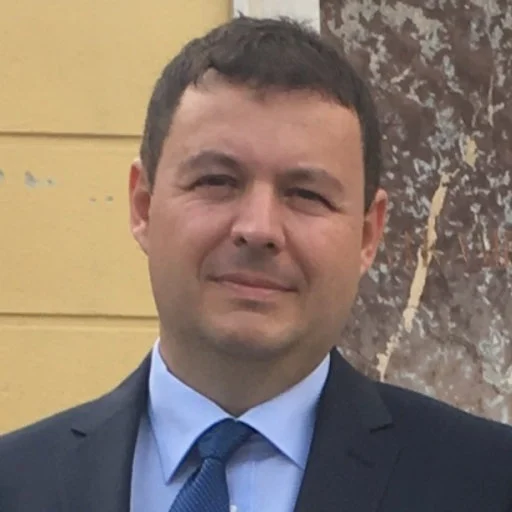
Saša Mladenović
Full Professor, Faculty of Science, University of Split, Croatia
Saša Mladenović is a Full Professor at the Faculty of Science, University of Split, and Head of the Artificial Intelligence Research Group. His research and teaching focus on artificial intelligence, machine learning, data science, and the application of AI in education. He participates in national and international research and educational projects and contributes to the development of new approaches to teaching and learning supported by artificial intelligence. Before entering academia, he spent several years in the software industry, developing and managing international projects. His current interests include responsible and transparent use of artificial intelligence, reproducible research, and human-in-the-loop approaches to AI-supported decision-making.